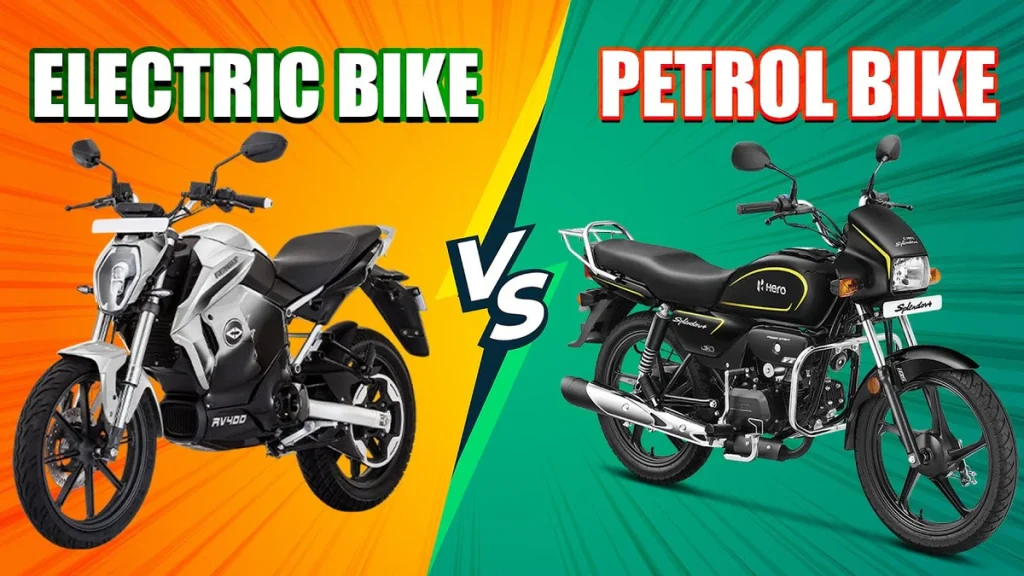
In today’s fast-moving world, the way we travel is changing quickly. One common question many bike users have is whether petrol bikes are better or electric bikes. With fuel prices going up and people becoming more aware of environmental issues, electric bikes are getting a lot of attention. Still, petrol bikes remain a popular choice for many riders. In this article, we’ll look at both options in a simple and practical way to help you decide which one suits you best.
1. Initial Cost and Long-Term Expenses
When buying a bike, cost is usually the first thing people think about. Petrol bikes are generally cheaper to buy, and you can easily find one that fits your budget. That’s why they are a common choice for many people.
Electric bikes, however, are usually more expensive at the start because of their battery and modern technology. But over time, they can actually save you money. Charging an electric bike costs much less than filling up a petrol tank, and you don’t have to spend as much on maintenance. So, while the starting cost is higher, the long-term expenses are lower.
2. Environmental Impact
Nowadays, people are more concerned about the environment than ever before. Petrol bikes run on fuel and release harmful gases into the air, which increases pollution and affects our health.
Electric bikes are a cleaner option because they don’t produce direct emissions. They help reduce air pollution and are better for the environment. If you care about keeping the air clean and protecting nature, electric bikes are definitely a better choice.
3. Performance and Riding Experience
Performance matters a lot, especially for people who love riding. Petrol bikes are powerful and fast, which makes them perfect for long trips and highway rides. If you enjoy speed and strong performance, petrol bikes will not disappoint you.
Electric bikes, on the other hand, offer a very smooth and quiet ride. They don’t make much noise and are easy to handle in traffic. They also accelerate quickly, which is useful in city areas. However, they are usually not as fast as petrol bikes, so they are better for short distances and daily use.
4. Maintenance and Durability
Petrol bikes need regular care, like oil changes, engine checkups, and other maintenance work. This can take time and also add to your expenses.
Electric bikes are much simpler in this case. They have fewer parts, so there is less chance of something going wrong. You don’t need oil changes or engine servicing, which makes them easier to maintain. The only major concern is the battery, which might need replacement after a few years and can be costly.
5. Range and Refueling/Charging Time
One big advantage of petrol bikes is their long range. You can travel long distances on a full tank, and refueling only takes a few minutes.
Electric bikes have a limited range, depending on the battery. They also take several hours to fully charge, which can be inconvenient if you are in a hurry or planning a long trip. This makes petrol bikes more practical for long-distance travel.
6. Availability and Infrastructure
Petrol bikes are very convenient because petrol stations are available almost everywhere. You don’t have to worry about running out of fuel, even in remote areas.
Electric bikes are still growing in popularity, and charging stations are not available everywhere yet, especially in some parts of Pakistan. However, things are improving, and more charging points are being introduced as electric vehicles become more common.
Conclusion
To sum it up, both petrol and electric bikes have their own pros and cons. Petrol bikes are powerful, fast, and better for long-distance travel, making them a reliable option for heavy use. Electric bikes, on the other hand, are more economical over time, eco-friendly, and perfect for everyday city riding.
In the end, the best choice depends on your needs and lifestyle. If you travel long distances and want speed and power, a petrol bike is a good option. But if you want to save money and care about the environment, then an electric bike is a smart and modern choice.